Stop The Traffik App

Human trafficking is a real problem throughout the globe and sadly it isn’t showing signs of slowing down. An organization, Stop the Traffik, is focused on ending human trafficking and has launched an app to help in that process. The charity has a good history of stopping trafficking (see their chocolate campaign) and this app should help them in their work. The app uses input from people to gather data from around the world then that data will be analyzed to figure out larger patterns and issues in how human trafficking works. That data will then be used to shape policy and future campaigns.

One of the greatest obstacles in disrupting this global crime is the lack of intelligence on the inner workings, the back-stories, the networks, all the factors that build the real time picture of what is taking place. To help to stem the tide there is a strong need for an accurate and analysed global perspective, which can only happen with the coordinated gathering and sharing of data.

We seek to develop a revolutionary culture of sharing.

To have a meaningful impact STOP THE TRAFFIK believes there is a need for a global perspective, which can only happen with the co-ordinated gathering and sharing of data. Because of our established global network and its big data potential, our commitment to building local community resilience brings the possibility to truly disrupt, and STOP THE TRAFFIK.

Read more.
Thanks to Delaney!

Easily Browse Online Anonymously

In a world where our digital lives are tracked by democratic governments (Canada and the UK amongst them) we need to ensure that we can have private conversations online. Over at Digg they have collected a very easy to follow setup to get your protecting your privacy online in only an hour!

Keep Your Private Conversations Private

It’s rude enough for a stranger to even eavesdrop on your conversations in a place as public as a park. So opting to use messaging services with end-to-end encryption doesn’t make you some sort of criminal or tin foil hat-wearing nut. Whether you mind or not, there are organizations out there that are just scooping up every chat (Hello NSA!) you send out over the internet. No one is actively looking at them, or might ever look at them, but they’re listening so you might as well turn some music on or something.

It’s sort of like taping over your webcam or looking both ways before you cross the street — it’s such an easy and painless thing to do that it far outweighs the consequences of not doing that thing.

Read more.

Think that because you have “nothing to hide” that you shouldn’t be concerned about being tracked? Or that it’s OK for the democratically elected governments to justify mass surveillance? Well, Edward Snowden has a nice and short counter argument:

Some might say “I don’t care if they violate my privacy; I’ve got nothing to hide.” Help them understand that they are misunderstanding the fundamental nature of human rights. Nobody needs to justify why they “need” a right: the burden of justification falls on the one seeking to infringe upon the right. But even if they did, you can’t give away the rights of others because they’re not useful to you. More simply, the majority cannot vote away the natural rights of the minority.

Slavoj Zizeck on the Ethics of Consumption

Slavoj Zizeck is a modern thinker that has done a great job of critiquing the overarching assumptions in our society when it comes to power dynamics and the insidiousness of neoliberalism. In the video above his views on capitalistic consumption are summed up rather nicely. It’s worth the ten minute coffee break to watch it. Just be conscious of where you get your coffee from.

Little Towns Doing Good Things About Climate Change

 town

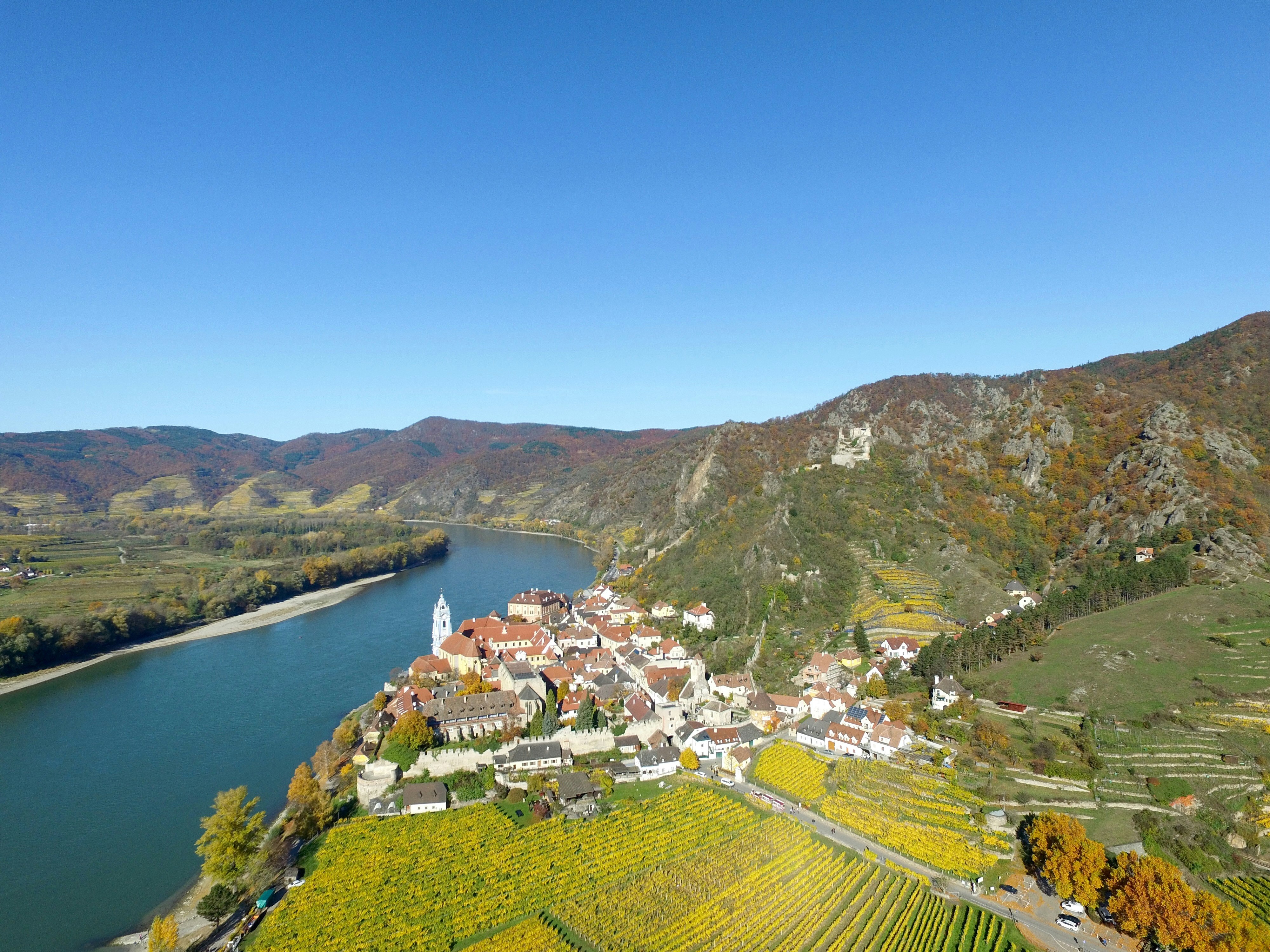
Even the tiniest of towns can do good things for the environment and contribute to global efforts to fighting climate change. We usually cover big cities and their efforts of improving their relationship with the natural environment, so it’s worth looking at the other end of the scale. We’ve looked at a zero-waste town in Japan, a town banning bottled water, and way back in 2007 we looked at a town banning smoking around kids and another that was Europe’s first town to ban plastic bags. This all proves that no matter where you live you can make the world a better place and maybe you can get inspired by these villages.

Grist has collected recent examples of small towns making big change. Here’s one that decided to fight apathy:

Ashton Hayes, a small town in the British countryside, set out to be the country’s first carbon-neutral community in 2006. But instead of using policy to regulate emissions, the community-led initiative focused on changing residents’ behavior. The townspeople strung up clotheslines, took fewer flights, and improved the insulation in their homes, shrinking their total carbon footprint by 40 percent so far.

Garry Charnook, the villager who jumpstarted the town’s low-carbon quest, told the New York Times: “There’s so much apathy. We need to squeeze that layer of apathy jelly and get it out.” About 200 towns, cities, and counties from around the globe have reached out to the Ashton Hayes community to learn how, exactly, they squeezed their “apathy jelly” (what is that — a dessert?) and got to work.

Read about more towns making change.
Thanks Delaney!

Buying Recycled Products is Good for Everything

Reduce, reuse, and recycle is a mantra heard time and time again. Yet, not everyone follows it (remember that they are in that order for a reason: reduce what you consume in the first place, then reuse what you can, and recycle the rest). It can be easy though. When you do buy stuff (remember that you should try not to buy things – reduce) buy recycled because there are a ton of reasons from energy consumption to sending a message. Over at Grist they compiled a compendium of reasons to buy recycled.

Still, I’d encourage you to continue buying the 100-percent recycled stuff if you can — for foil as well as any other product — for so many reasons. Recycled content saves natural resources, so we can mine fewer metals, cut down fewer trees, and tap less petroleum. It uses less energy to produce, sometimes dramatically so; recycled aluminum can be whipped up with 95 percent less power than virgin aluminum. Recycled material slashes pollution and saves water, too. And let’s not forget it prevents our consumer castoffs from languishing away in a landfill.

Read more.