Kindness Spreads Like a Disease

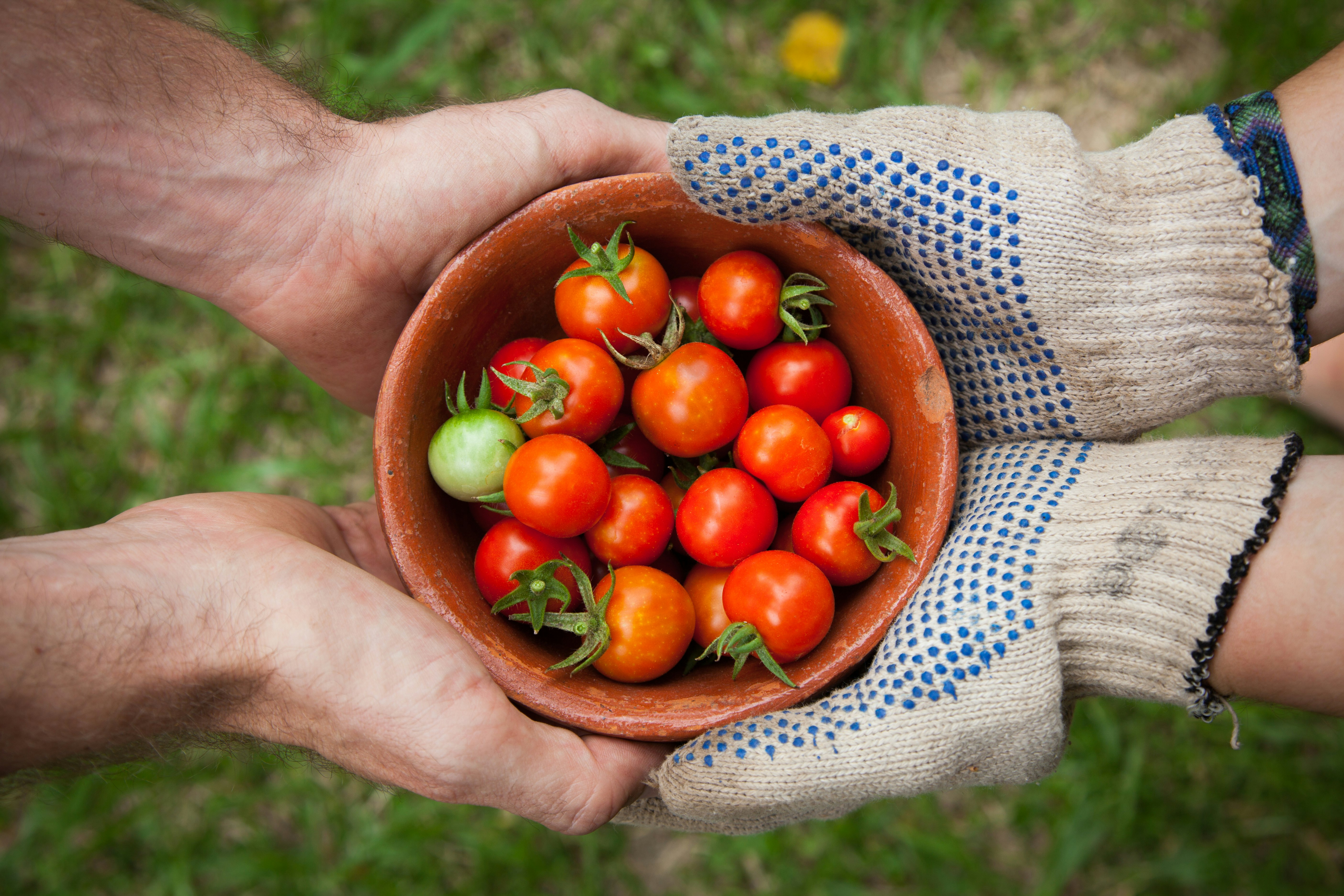
When we think of contagious things it usually in a negative context like a flu or other illness. The next time you here of something being contagious you can now have a positive association because kindness is contagious too.

New research is discovering that individuals who are around generous people can “catch” that attitude and become more kind themselves. It’s really inspiring research!

People in our studies didn’t even need to see others do anything in order to catch their kindness. In another follow-up, people read stories about the suffering of homeless individuals. After each story, they saw what they believed was the average level of empathy past participants had felt in response to its protagonist. Some people learned that their peers cared a great deal, and others learned they were pretty callous. At the end of the study, we gave participants a $1 bonus, and the opportunity to donate as much of it as they liked to a local homeless shelter. People who believed others had felt empathy for the homeless cared more themselves, and also donated twice as much as people who believed others had felt little empathy.
We still don’t fully understand the psychological forces that power kindness contagion. One possibility, supported by our own work, is that people value being on the same page with others. For instance, we’ve found that when individuals learn that their own opinions match those of a group, they engage brain regions associated with the experience of reward, and that this brain activity tracks their later efforts to line up with a group. As such, when people learn that others act kindly, they might come to value kindness more themselves.

Read more.
Thanks to Delaney!

Good Storytellers Tend to be Happier


Everybody likes a good story, but not everybody can tell a story well. If you are one of those people who are a good storyteller you might just be happier than other people. It turns out that good storytellers are happier and that male storytellers who can spin a good yarn are more attractive to females. Practice makes perfect so try telling stories to everybody!

It feels wonderful to tell someone your stories when you are first becoming intimate. Think of the people you have been in love with in your life. I bet that at least once early in your relationship you stayed up all night talking, telling stories that were revealing and illuminating. That deep communication is sexy.

Stories are profoundly intimate, says Kari Winter, a historian and literary critic at the University at Buffalo. “It is empowering to the teller because they get recognition from the listener. And it is empowering to the listener because it helps them understand the teller.”

Read more.

Craft Beer is Advancing Science

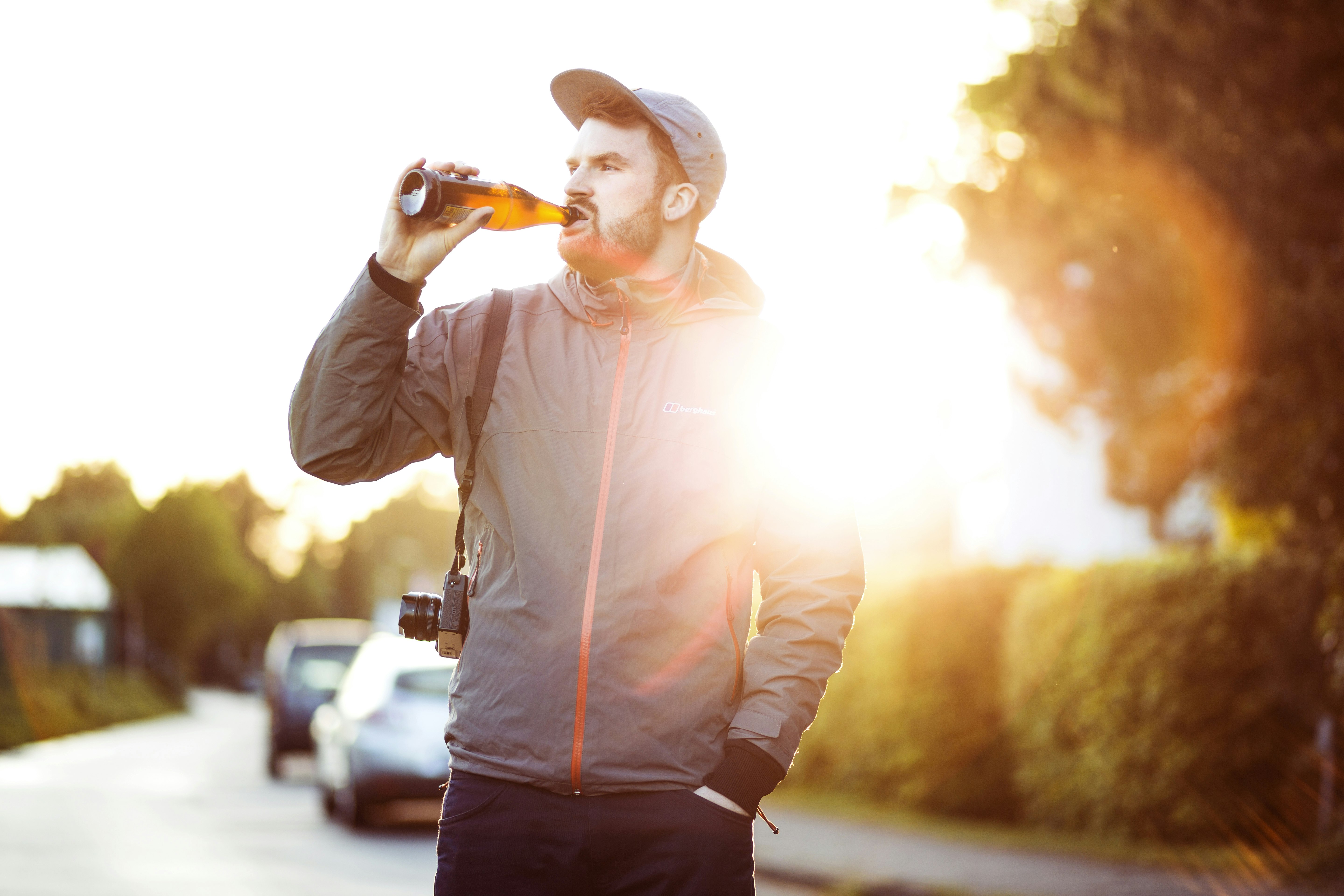
We all know that craft beers are delicious thanks to all their fun flavours and now we also know that by drinking craft beer we are helping the world of science. The search for hop plants, which are integral to craft beer, has pushed science to go further into examining the plant and it’s neighbours – that means the world of botany is expanding. The drive for more varieties of hops has even led to using old ideas in new ways around what medicinal practices hops can be used for!

Flavor is driving the hunt. But, as it turns out, Matthews himself is not only, or even mostly, interested in flavor. The scientific byways, and possible medical uses, are more intriguing to him: the hipster I.P.A. quaffers are, in effect, advancing the frontiers of pure science, enabling the sequencing of the hop genome, and funding ethnobotanical excursions. “I was just in Tbilisi, at the Georgian botanical garden,” Matthews said. “People in Georgia are still into agroforestry—they pick wild strawberries and things in the forest. It turns out rural Georgians have for a long time used wild hops to cure their breads. Hops makes a powerful broad-spectrum antibiotic. It stops bacteria from souring the bread.”

The Georgians have also used hops as a folk medicine for reproductive health, to treat uterine pain, for example. This makes sense to Matthews since hops contain the strongest known plant-derived estrogen. “We are seeking to engineer it,” he said. “We think it can be used for hormone-replacement therapy—for example, in postmenopausal women.”

Read more.

30 Minutes in Your Local Park is Perfect


Urban parks are great and now some Aussie researchers have found another reason to create more of them: it’s really good for your health. We’ve known for years that spending time in nature is good for people but his research augments that knowledge with a timeframe. It takes only 30 minutes of being in an a park to see benefits to one’s health. Which means that you can get enough nature on your lunch break (you should get more though).

“If everyone visited their local parks for half an hour each week there would be seven per cent fewer cases of depression and nine percent fewer cases of high blood pressure,” she said.

“Given that the societal costs of depression alone in Australia are estimated at $A12.6 billion a year, savings to public health budgets across all health outcomes could be immense,” she said.

UQ CEED researcher Associate Professor Richard Fuller said the research could transform the way people viewed urban parks.

“We’ve known for a long time that visiting parks is good for our health, but we are now beginning to establish exactly how much time we need to spend in parks to gain these benefits,” he said.

Read more.

And over at Reddit a user posted a good summary on why nature is good for you:

It’s probably a combination of things. Sunlight allows the body to produce vitamin D, which has been linked with a reduction in depressive symptoms.

When you’re in a park you’re likely walking and doing physical activities, and exercise is positively correlated with improvements in mood and reduced depressive symptoms, not to mention it’s good for the heart, blood pressure, and physical health in general.

Via Reddit.

No Need to Shower so Much

Showering is something that a lot of North Americans do everyday: and if you’re one of them then you should stop. Showering daily can actually do more harm to your health than good. So relax about your daily urge to cleanse and just roll with your micro biome!

As we learn more about the relationship between the microbiome and our health, some scientists and journalists have begun weaning themselves from cosmetic products like soap and shampoo. In taking away the bad bacteria, we could be losing too much of the good.

In this episode of If Our Bodies Could Talk—the final in a three-part miniseries on the microbiome—senior editor James Hamblin investigates the health of the microbes on our skin.

Read more.