
Stop The Traffik App

Human trafficking is a real problem throughout the globe and sadly it isn’t showing signs of slowing down. An organization, Stop the Traffik, is focused on ending human trafficking and has launched an app to help in that process. The charity has a good history of stopping trafficking (see their chocolate campaign) and this app should help them in their work. The app uses input from people to gather data from around the world then that data will be analyzed to figure out larger patterns and issues in how human trafficking works. That data will then be used to shape policy and future campaigns.

One of the greatest obstacles in disrupting this global crime is the lack of intelligence on the inner workings, the back-stories, the networks, all the factors that build the real time picture of what is taking place. To help to stem the tide there is a strong need for an accurate and analysed global perspective, which can only happen with the coordinated gathering and sharing of data.

We seek to develop a revolutionary culture of sharing.

To have a meaningful impact STOP THE TRAFFIK believes there is a need for a global perspective, which can only happen with the co-ordinated gathering and sharing of data. Because of our established global network and its big data potential, our commitment to building local community resilience brings the possibility to truly disrupt, and STOP THE TRAFFIK.

Read more.
Thanks to Delaney!
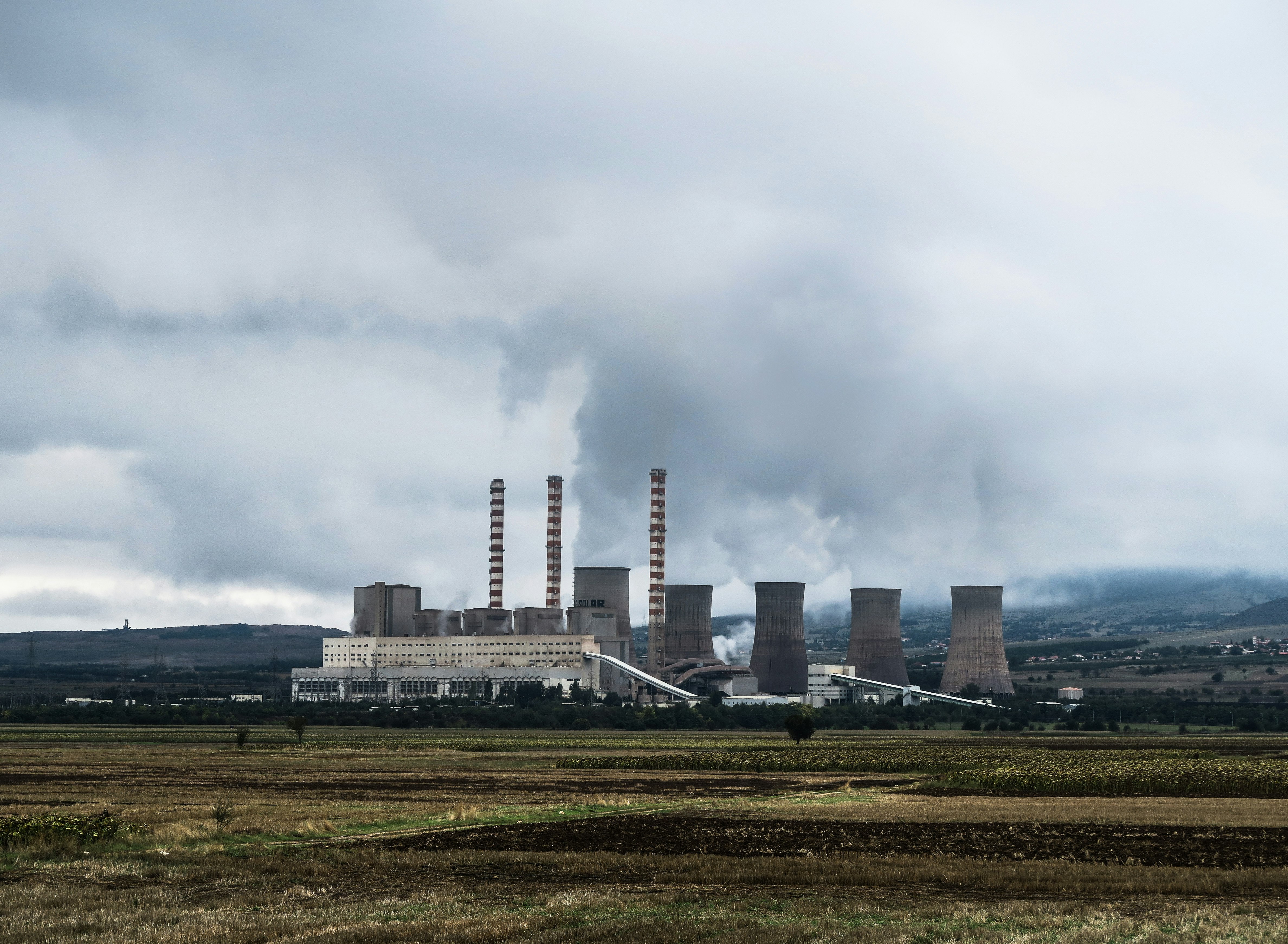
France Phasing out Coal by 2023

Not to be outdone by other nations, France has announced that the country will eliminate use of coal for electricity by 2023. Yesterday we looked at Canada’s plan to phase out coal plants by 2030, which in Canada caused concern. In France, there’s little debate that we need to stop using coal in our power plants.

It’s fantastic to see so many nations stopping their reliance on coal and switching to renewable energy sources!

“We need carbon neutrality by 2050,” the French President continued, promising that coal will no longer form part of France’s energy mix in six to seven years’ time.

France is already a world leader in low-carbon energy. The country has invested heavily in nuclear power over the past few decades and now derives more than 75 per cent of its electricity from nuclear fission. It produces so much nuclear energy, in fact, that it exports much of it to nearby nations, making around £2.5 billion each year.

Read more.

Canada to Phase Out Coal Power Plants

power plant
The Canadian government has decided to end the use of coal for electricity by the year 2030. To make up the lost production the provinces which still use coal will have to replace their power plants with sustainable alternatives. This makes a lot of sense since using coal for electricity is really (really really really) bad for the environment and, as regular readers of this site know, the cost of setting up renewable energy is getting cheaper every year.

Let’s hope that other countries follow suit and stop using coal to produce electricity.

In announcing the plan today, federal Environment Minister Catherine McKenna said about 80 per cent of Canada’s electricity currently comes from clean sources such as hydroelectric power, nuclear, wind and solar. The goal is to make 90 per cent of electric power generation free of greenhouse gas emissions by 2030.

“This will help build a more sustainable future, and it is also a great economic opportunity,” she said during a news conference in Ottawa.

The plan accelerates the current timetable for the four provinces that still burn coal for electricity — Alberta, Saskatchewan, Nova Scotia and New Brunswick — to either capture carbon emissions, adopt technology or shut down the plants.

Read more.

We Need the Humanities More Than Ever

Over the last decade or so there has been a big push in North America to get students in to STEM education. Science, technology, engineering, and mathematics (STEM) are important to study, but they need to be studied alongside the humanities. The push for STEM is a result of the success of the tech sector and how some parts of society have missed out on that success. However, problems arise when we support one of thinking at the expense of others; now, there is a push to bring balance to the education system by celebrating holistic eduction as much as we did STEM.

Sixty years ago this month, CP Snow’s influential, much-debated essay The Two Cultures was published in the New Statesman. He wrote of a “traditional culture” that was “mainly literary”, behaving “like a state whose power is rapidly declining – standing on its precarious dignity … too much on the defensive to show any generous imagination to the forces which must inevitably reshape it”. He characterised scientific culture, on the other hand, as “expansive, not restrictive, confident at the roots, the more confident after its bout of Oppenheimerian self-criticism, certain that history is on its side…”

Read more.

Celebrating Resiliency

The Rockefeller Foundation has produced a new documentary celebrating areas humans live in that are designed to be resilient to climate change. By building our cities and countries around the concept of resiliency we can better prepare for what’s ahead when it comes to unpredictable and extreme weather. It’s design thinking applied on a ecosystem level that allows human civilization to continue while supporting existing natural systems.

The clip above is focussed on Louisiana post hurricane Katrina, the movie explores other places around the world that have also rejuvenated their loyal ecosystems to thrive once again.

Resilience is also a key theme at Rockefeller, which believes national, even global change can start at a city level. In a way, municipalities are the perfect ecosystems to try transformational projects that other cities can tweak or adopt. To that end, the group has invested over a half billion dollars in various resilience initiatives including the National Disaster Resilience Competitionand 100 Resilient Cities.

According to Carter, the film’s concept began with the idea of chronicling several success stories that others could learn from. The group quickly realized that had they enough material for a movie about the broader global movement. Resilience test cases include New Orleans, which has rebuilt better, greener and stronger in the wake of Hurricane Katrina.

Read more.
Watch the full movie here.