Standing Rock Sioux Achieve a Victory

Standing Rock #DAPL

This is proof that direct protest action works.

The US Army Corps of Engineers has decided to not grant permission to allow the Dakota Access pipeline to be built as planned. The pipeline was meant to go through burial lands of the Standing Rock Sioux which is offensive in itself, but there’s more to it. The pipeline would have also greatly harmed the local ecosystem and drinking water. In the event of a spill (and pipelines spill all the time) the damage to the natural environment and to people would be epic.

Despite these risks, Energy Transfer Partners and the Army Corps of Engineers will continue to try to build the pipeline elsewhere. Of course this recent development will make it harder to do so and the protestors will continue to fight big oil for the average person’s right to clean water. What’s more, is that the economic argument for pipelines is weak at best.

The Army Corps of Engineers will not grant the permit for the Dakota Access pipeline to drill under the Missouri river, the army announced on Sunday, handing a major victory to the Standing Rock Sioux tribe after a months-long campaign against the pipeline.


The announcement came just one day before the corps’ deadline for thousands of Native American and environmental activists – who call themselves water protectors – to leave the sprawling encampment on the banks of the river. For months, they have protested over their fears that the pipeline would contaminate their water source and destroy sacred sites, and over the weekend hundreds of military veterans arrived at the camps in a show of support for the movement.

Read more.

47 Developing Countries Leapfrogging to Renewables

wind turbine

At the tail end of the Marrakech UN conference on the climate 47 countries formed the Climate Vulnerable Forum to share the one goal: getting to 100% renewable energy as fast as possible. Previously, economists and politicians argued that developing countries will need to use coal or other destructive carbon-based energy before upgrading to renewables. With the cheap price of solar panels and other non-carbon intensive electricity it looks like these countries can skip coal. They are hoping to replicate the infrastructure “leapfrog” that mobile phones created in much of the world with renewable power.

Members of the CVF hope to perform the same kind of ‘leapfrogging’ with regards to energy.

The 47 members of the CVF – which includes nations like Bangladesh, Ethiopia, and Haiti – say they’ll “strive to meet 100 percent domestic renewable energy production as rapidly as possible, while working to end energy poverty and protect water and food security, taking into consideration national circumstances”.

The goal is to have all of these systems in place some time between 2030 and 2050, and the members have committed to presenting a detailed plan to the UN by 2020.

Read more.

Canada to Phase Out Coal Power Plants

power plant
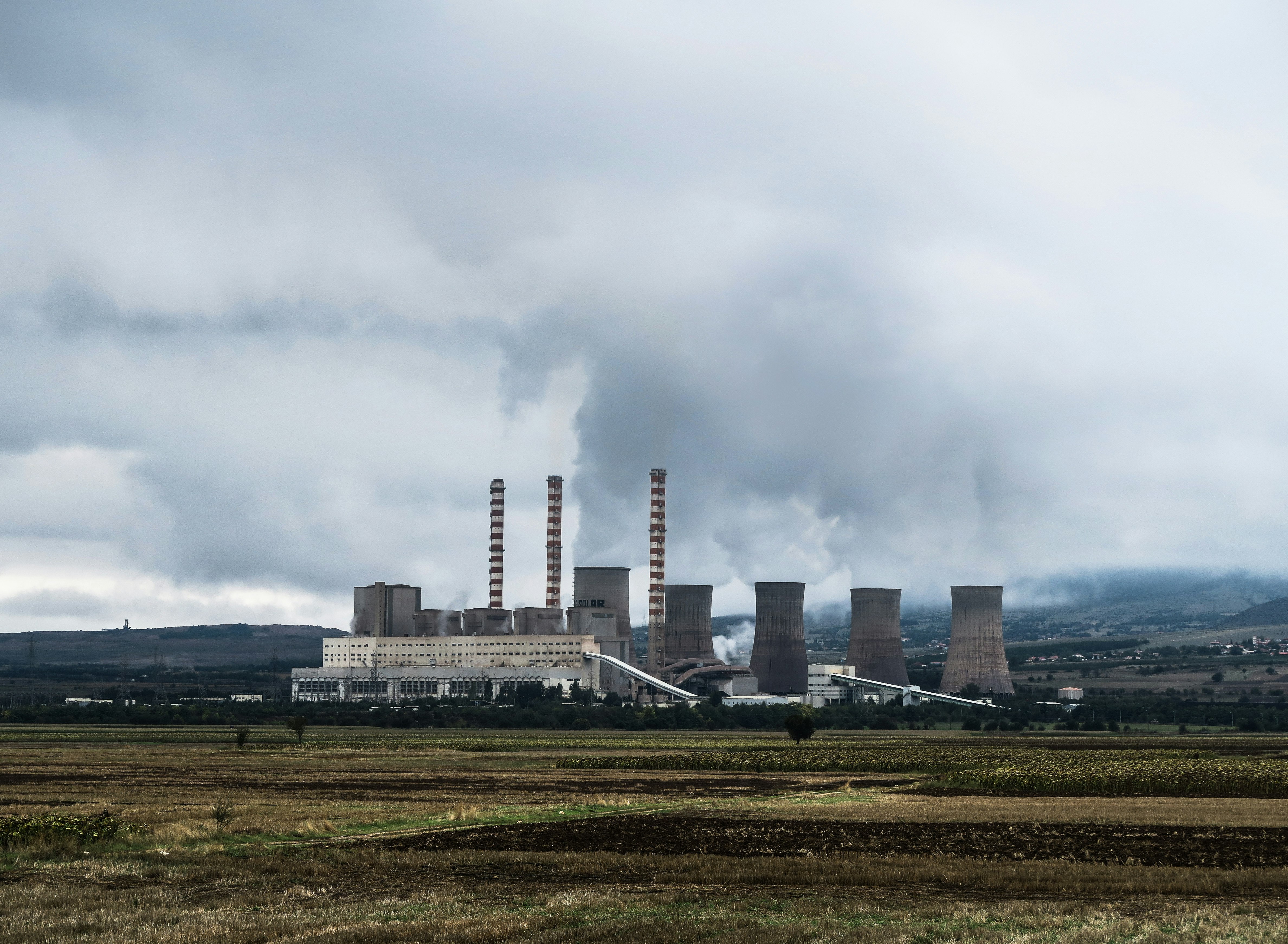
The Canadian government has decided to end the use of coal for electricity by the year 2030. To make up the lost production the provinces which still use coal will have to replace their power plants with sustainable alternatives. This makes a lot of sense since using coal for electricity is really (really really really) bad for the environment and, as regular readers of this site know, the cost of setting up renewable energy is getting cheaper every year.

Let’s hope that other countries follow suit and stop using coal to produce electricity.

In announcing the plan today, federal Environment Minister Catherine McKenna said about 80 per cent of Canada’s electricity currently comes from clean sources such as hydroelectric power, nuclear, wind and solar. The goal is to make 90 per cent of electric power generation free of greenhouse gas emissions by 2030.

“This will help build a more sustainable future, and it is also a great economic opportunity,” she said during a news conference in Ottawa.

The plan accelerates the current timetable for the four provinces that still burn coal for electricity — Alberta, Saskatchewan, Nova Scotia and New Brunswick — to either capture carbon emissions, adopt technology or shut down the plants.

Read more.

Celebrating Resiliency

The Rockefeller Foundation has produced a new documentary celebrating areas humans live in that are designed to be resilient to climate change. By building our cities and countries around the concept of resiliency we can better prepare for what’s ahead when it comes to unpredictable and extreme weather. It’s design thinking applied on a ecosystem level that allows human civilization to continue while supporting existing natural systems.

The clip above is focussed on Louisiana post hurricane Katrina, the movie explores other places around the world that have also rejuvenated their loyal ecosystems to thrive once again.

Resilience is also a key theme at Rockefeller, which believes national, even global change can start at a city level. In a way, municipalities are the perfect ecosystems to try transformational projects that other cities can tweak or adopt. To that end, the group has invested over a half billion dollars in various resilience initiatives including the National Disaster Resilience Competitionand 100 Resilient Cities.

According to Carter, the film’s concept began with the idea of chronicling several success stories that others could learn from. The group quickly realized that had they enough material for a movie about the broader global movement. Resilience test cases include New Orleans, which has rebuilt better, greener and stronger in the wake of Hurricane Katrina.

Read more.
Watch the full movie here.

Taiwan is About to Legalize Same-Sex Marriage

love

Taiwan might be the first Asian nation to legalize same-sex marriage. The country is working on legislation that will permit people who love each other and are of the same sex to marry, which is a great thing to see! Let’s hope that other places in the region follow suit and begin the process of changing their legal systems to reflect reality.

I think it’s worth noting that some of the earliest posts on this site were about countries doing the same thing. Both Canada and Spain legalized same-sex marriage in 2005.

Taiwanese lawmakers are currently working on three bills in support of marriage equality, one of which is already listed for review and could be passed within months. Same-sex marriage also has the prominent support of President Tsai Ing-wen, Taiwan’s first female head of state.

About 80 percent of Taiwanese between ages 20 and 29 support same-sex marriage, said Tseng Yen-jung, spokeswoman for the group Taiwan LGBT Family Rights Advocacy , citing local university studies. Taiwan’s United Daily News found in a survey taken four years ago that 55 percent of the public supported same-sex marriage, with 37 percent opposed.

Read more.

Scroll To Top