
James Burke Connections App for Your Thinking Needs

James Burke is known for his series on BBC called Connections, which was all about how seemingly random inventions (or concepts) are actually connected in interesting ways. He has spent his life advocating for people to look at the in-between of industries and fields of research because it is there that we find true innovation.

In our modern era we find that we can create our own filter bubble (which is a big issue with the recent election in the USA) which can make finding connections a problem. Burke’s solution to this is to Kickstarer an app that uses his own specially designed database and cross-references it with Wikipedia in order to help you break out of your bubble and discover cool new connections!

You may have noticed that when we browse the news or type into Google we tend to seek confirmation more than we do information. We predict our current model will remain untarnished. When we want to make sense of something, we tend to develop a hypothesis just like any scientist would, but when we check to see if we are correct, we often stop once we find confirmation of our hunches or feel as though we understand. Without training, we avoid epiphany by avoiding the null hypothesis and the disconfirmation it threatens should it turn out to be valid.

Since the 1970s, Burke has predicted we would need better tools than just search alone if we were to break out of this way of thinking. His new app aims to do that by searching Wikipedia “connectively” and producing something the normal internet searches often do not – surprises, anomalies, and unexpected results.

Read more.
Check out the Kickstarter.

We Need the Humanities More Than Ever

Over the last decade or so there has been a big push in North America to get students in to STEM education. Science, technology, engineering, and mathematics (STEM) are important to study, but they need to be studied alongside the humanities. The push for STEM is a result of the success of the tech sector and how some parts of society have missed out on that success. However, problems arise when we support one of thinking at the expense of others; now, there is a push to bring balance to the education system by celebrating holistic eduction as much as we did STEM.

Sixty years ago this month, CP Snow’s influential, much-debated essay The Two Cultures was published in the New Statesman. He wrote of a “traditional culture” that was “mainly literary”, behaving “like a state whose power is rapidly declining – standing on its precarious dignity … too much on the defensive to show any generous imagination to the forces which must inevitably reshape it”. He characterised scientific culture, on the other hand, as “expansive, not restrictive, confident at the roots, the more confident after its bout of Oppenheimerian self-criticism, certain that history is on its side…”

Read more.

Caring People Have More Sex

love
It turns out that nice guys do get the girl (but not these nice guys), and nice girls too! Altruism has been linked to more sexual partners and better relationships. There is a growing body of research that connects people who are emphatic are good partners to have in life. Over at Scientific American they have an article on how researchers are contrasting the concept that people need to be jerks to attract a mate.

Remember it’s good to be nice regardless of how much sex one gets.

This theory suggests that altruism may serve, in part, to convey one’s value as a mating partner, including one’s concern for others and likelihood of cooperating with future mates.  Research has shown that we prefer altruistic partners, all else being equal; especially for long-term mating (the evidence for altruism being preferred in short-term mates is mixed). Not surprisingly, then, the pull to demonstrate one’s altruism can be strong. Some research has shown that men will actively compete with one another (termed competitive altruism) by making charitable donations to women. Interestingly, these charitable donations increase when the target of one’s altruism is physically attractive.

Read more.

Bike Lanes Save Lives of Non-Cyclists

bike
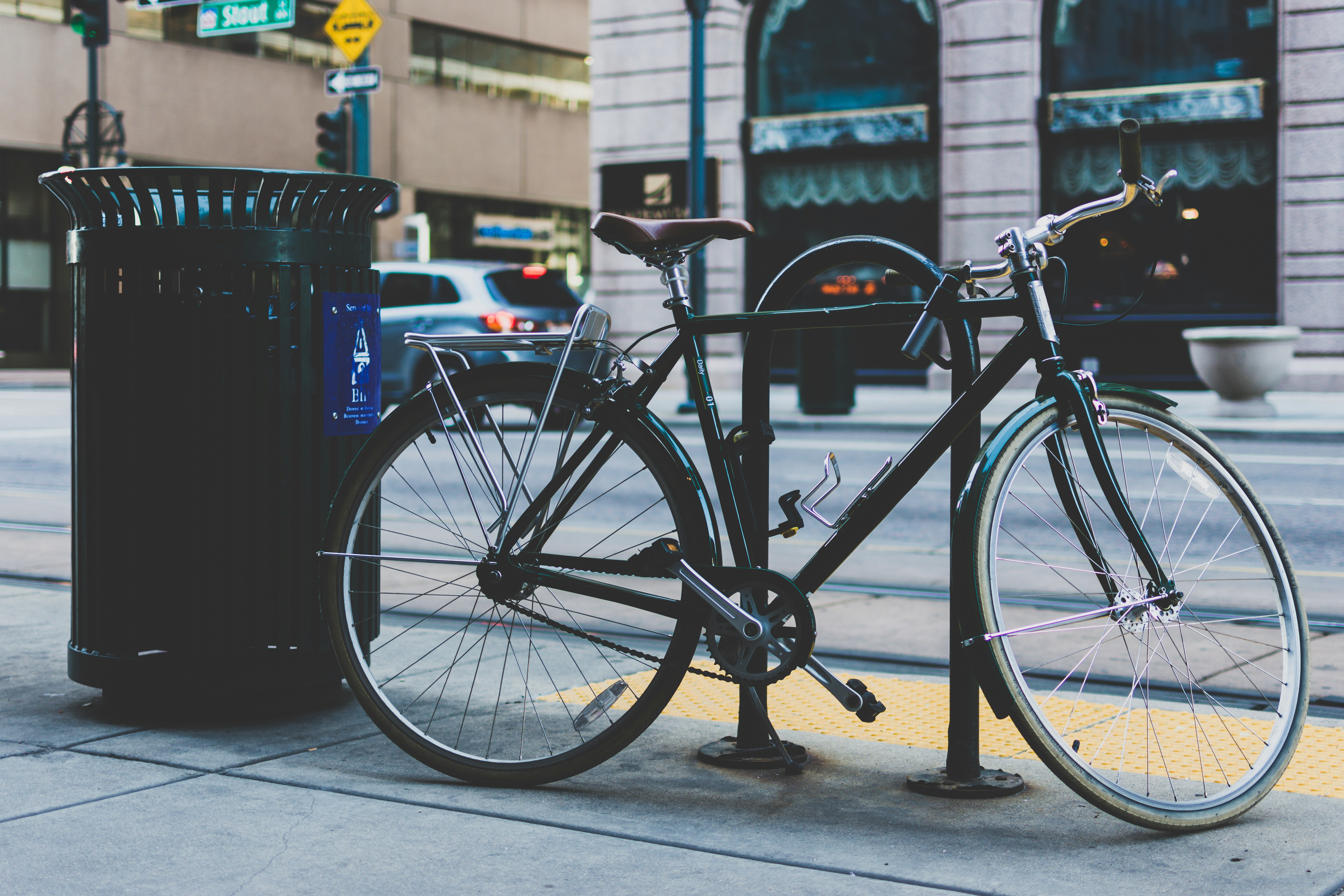
Cities can improve the health and well being of everyone by simply adding bike lanes. That’s right, drivers not only benefit from faster traffic flow they also benefit from increased health when cities install bike lanes. As Bloomberg reports, cities around the world are catching on and adding bike lanes to benefit all citizens.

There’s math to show how cost-effective the strategy could be for public health. When New York spent about $8 million in 2015 on bike lane expansion, the cost per additional “quality-adjusted life year,” or QALY, was about $1,300, according to the Mailman paper.
A QALY, pronounced “qually,” is a standard measure of cost-benefit analysis. It takes into account the number of people who benefit from an intervention, how many years of extra life they can expect to get, and how healthy they will be during the extra years.
As it turns out, when you apply this to bike lanes, it makes them more economical per added QALY than, say, kidney dialysis, which costs over $100,000 per QALY—although not quite as cost-effective as standard vaccines, which cost in the low hundreds of dollars per QALY, Mohit said.

Read more.

Slavoj Zizeck on the Ethics of Consumption

Slavoj Zizeck is a modern thinker that has done a great job of critiquing the overarching assumptions in our society when it comes to power dynamics and the insidiousness of neoliberalism. In the video above his views on capitalistic consumption are summed up rather nicely. It’s worth the ten minute coffee break to watch it. Just be conscious of where you get your coffee from.