Good Storytellers Tend to be Happier


Everybody likes a good story, but not everybody can tell a story well. If you are one of those people who are a good storyteller you might just be happier than other people. It turns out that good storytellers are happier and that male storytellers who can spin a good yarn are more attractive to females. Practice makes perfect so try telling stories to everybody!

It feels wonderful to tell someone your stories when you are first becoming intimate. Think of the people you have been in love with in your life. I bet that at least once early in your relationship you stayed up all night talking, telling stories that were revealing and illuminating. That deep communication is sexy.

Stories are profoundly intimate, says Kari Winter, a historian and literary critic at the University at Buffalo. “It is empowering to the teller because they get recognition from the listener. And it is empowering to the listener because it helps them understand the teller.”

Read more.

Your Body Wants You To Be Social If You Feel Lonely


Loneliness is something that everybody experiences in their life and it turns out it could be a good thing. By feeling lonely your body is telling you that you need to change: you ought to go hang out with friends.

Humans are social animals and our bodies have evolved to ensure that we stay in groups. Their are many benefits to surrounding yourself with friends and it looks like that deep inside our physical bodies know this too. So the next time you feel lonely just think about how cool it is that it’s an evolved trait! Then go chill with some friends.

In recent years, scientists have sharpened their focus on loneliness, concluding it does have a purpose, does have redeeming features. They are not talking like Thoreau about the benefits of solitude on our creative minds and spirits. They are talking like Darwin about loneliness driving change, an evolutionary correction.

“Loneliness is a warning system,” says Louise Hawkley a psychologist at the University of Chicago. It is our body telling us we’re breaking from the social bonds that nourished us as a species. “We’re failing to satisfy our fundamental drive to connect with other humans,” Hawkley says. Feeling isolated switches our bodies into self-preservation mode. “What happens with people who are lonely for a long time is their threat-defense programs get activated,” says Steve Cole, a professor of medicine and psychiatry at the University of California, Los Angeles. “The body interprets loneliness as threatening.”

Read more.

Why Some Love Cities And Others Love The Country


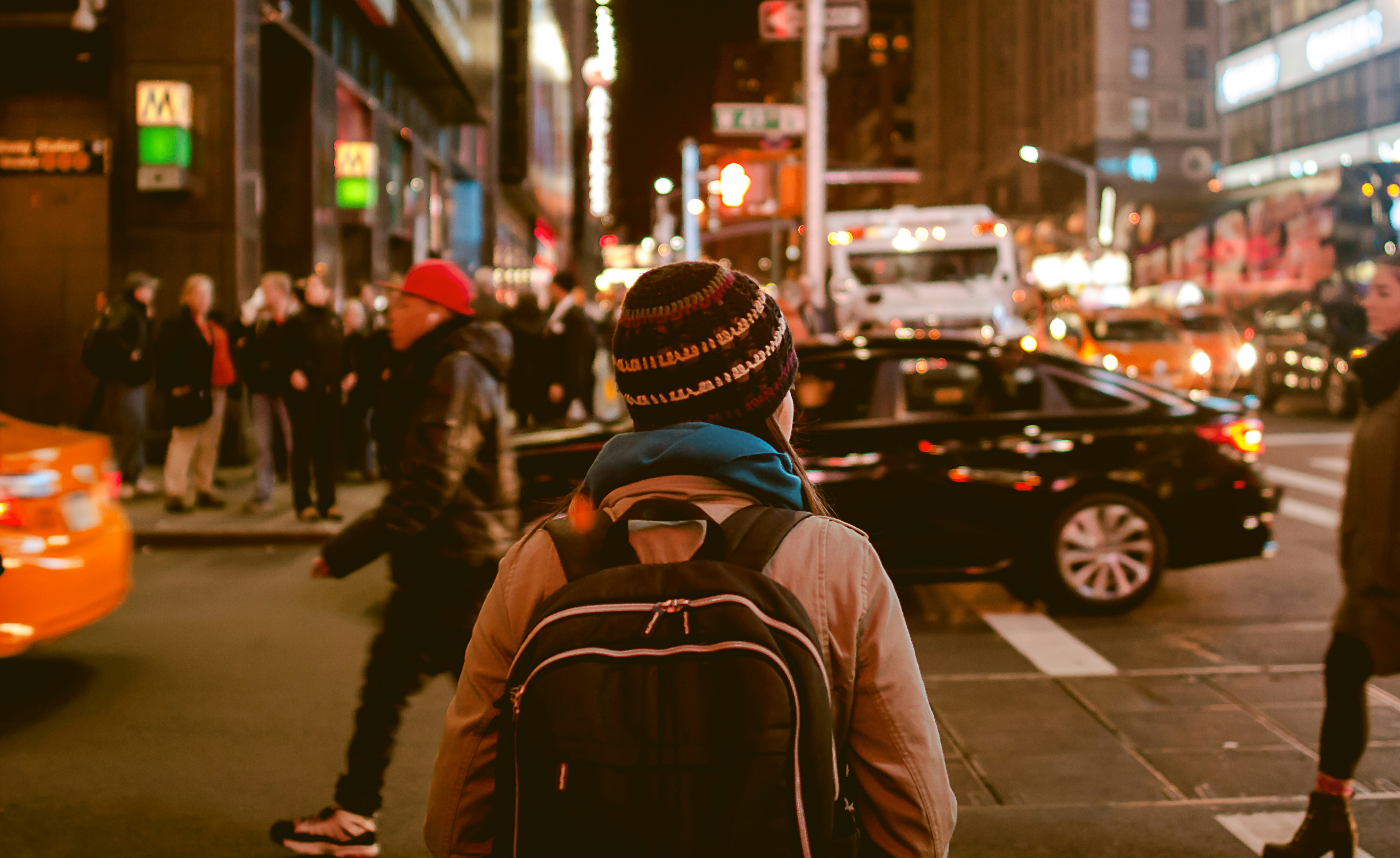
The idea that cities are inherently stressful or that the country is inherently calming isn’t so cut and dry. Some people find the excitement of urban living as not only exciting but also as a source of relaxation. Others may find the boringness of the countryside as a required way to maintain mental calmness.

There’s some neat research that examines why some people are keen for the hustle and bustle of a downtown while others not so much.

But, before you box neurotics as city-types and non-neurotics as country mice, remember how much variation can exist within the respective environments. “Not all urban situations are loud and busy, and not all natural ones are calm and quiet,” Newman says, offering city parks and ziplining as examples of the dichotomy at play here. “A highly neurotic person can still enjoy nature, but maybe their ideal version of a hike includes more boulders, a trail run, some animals.” In other words, when it comes to alleviating anxiety, it’s not the environment so much as what you do in it.

So, do cities and small towns inherently attract separate types of people? Newman speculates this could possibly explain regional stereotypes: Midwestern niceties, the Southern drawl, West Coast chill, Northeastern pent-upness. And Newman says businesses and urban planners should pay attention to these qualities: It might make sense for a national park to showcase the active aspects of mountaineering or whitewater rafting for the Northeast, for example, while Midwestern parks might feature vistas and sunsets.

Read more.

Parks Make Kids Smarter and Reduce Health Inequality

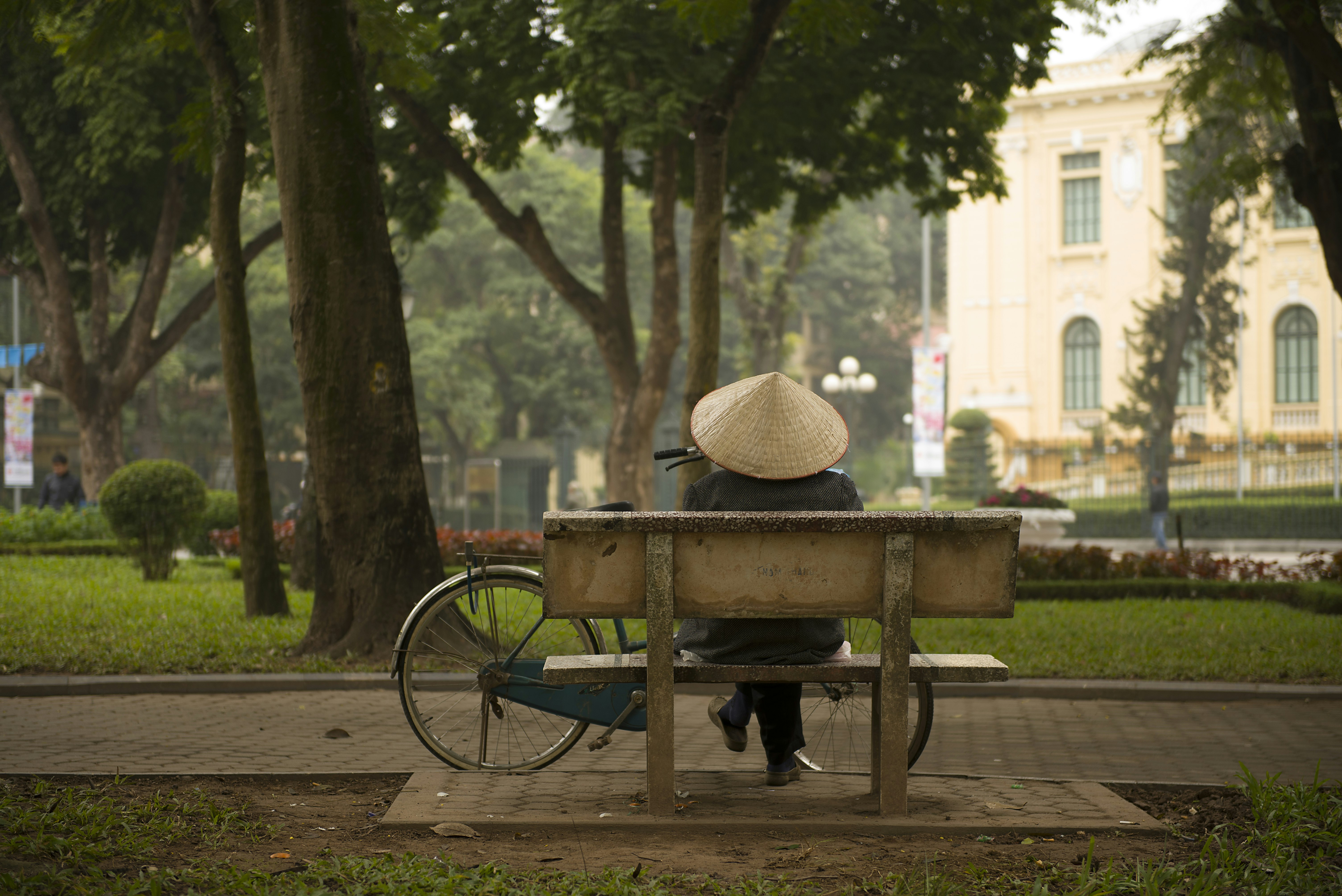
Urban parks can greatly improve the quality of a neighbourhood and it can improve the wellbeing of all people in the area. Of all the users of a park kids may benefit the most. A park in a city gives kids a place to play and it helps them mentally too.

The study authors suggest that green spaces may have a positive effect both directly and indirectly. “Green spaces provide children with opportunities to develop mental skills such as discovery and creativity,” says co-author Payam Dadvand, a physician and researcher at the Center for Research in Environmental Epidemiology in Barcelona. More indirectly, green spaces may help by reducing exposure to air pollution and noise, increasing physical activity, and enriching microbial input from the environment, all of which have been associated with improved mental development, he says. When the researchers measured and factored in traffic-related air pollution, which is higher in places with fewer plants and trees, they found that it accounted for 20 to 65 percent of the observed association between greenness and cognitive development. Air pollution has been shown to have neurotoxic effects, Dadvand says.

Read more.
Thanks Delaney!

Typographic Design Can Improve The World

The font you choose matters, it sets the tone of what is read and the overall look of what’s presented. A simple decision around fonts can turn something beautiful into an ugly mess and vice versa. Be conscious of what you pick.

Not only can fonts make things look nice they can also improve the lives of people around the world. The seemingly simple act of making things legible is more complex than you probably think.

But elsewhere, life-saving typefaces are still making notable appearances on the road — this time inside the car. In 2012 researchers at MIT partnered up with the typeface company Monotype to tackle the problem of driver distraction. They thought that if they could design easy-to-read screens and displays for inside a vehicle, drivers would spend less time trying to decipher words — and more time with their eyes on the road. To make those screens easier to read, they tried tweaking the typeface.

They settled on a “humanist” style typeface for the job, which has more space between characters and easily distinguishable letterforms. Research suggests that humanist styles are more legible than the widely used geometric and square-shaped typefaces often used by car manufacturers. Here’s a graphic from the MIT/Monotype study that demonstrates the difference in counter shapes and other aspects that affect legibility:

font
Pro tip: don’t use comic sans.
Read more.

Scroll To Top