Tag Archives: Urban

Parks Make Kids Smarter and Reduce Health Inequality

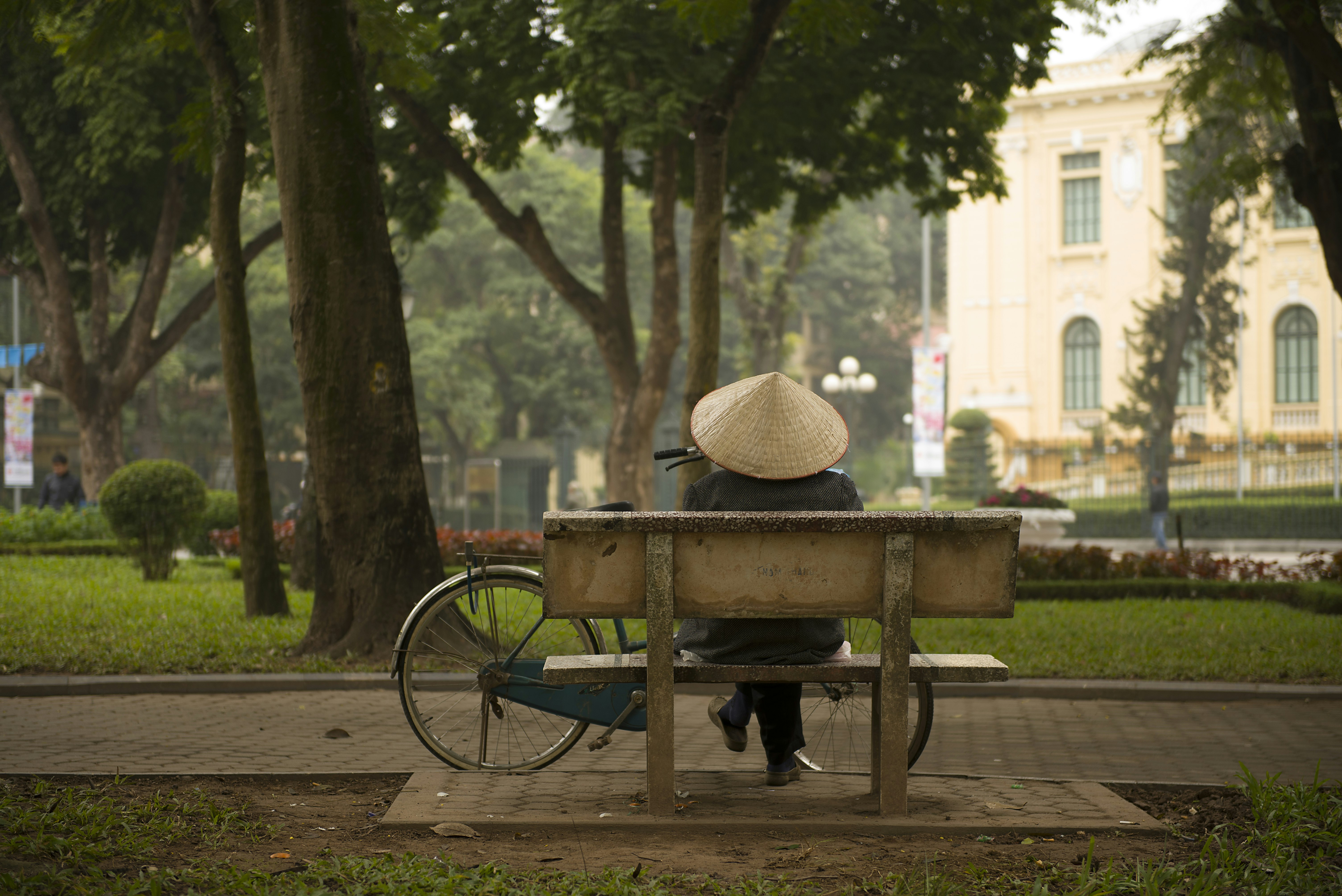
Urban parks can greatly improve the quality of a neighbourhood and it can improve the wellbeing of all people in the area. Of all the users of a park kids may benefit the most. A park in a city gives kids a place to play and it helps them mentally too.

The study authors suggest that green spaces may have a positive effect both directly and indirectly. “Green spaces provide children with opportunities to develop mental skills such as discovery and creativity,” says co-author Payam Dadvand, a physician and researcher at the Center for Research in Environmental Epidemiology in Barcelona. More indirectly, green spaces may help by reducing exposure to air pollution and noise, increasing physical activity, and enriching microbial input from the environment, all of which have been associated with improved mental development, he says. When the researchers measured and factored in traffic-related air pollution, which is higher in places with fewer plants and trees, they found that it accounted for 20 to 65 percent of the observed association between greenness and cognitive development. Air pollution has been shown to have neurotoxic effects, Dadvand says.

Read more.
Thanks Delaney!

Green Roofs Are An Urban Paradise


Green roofs are pretty great because they assist in flood prevention and can grow crops. Indeed, green roofs are growing in popularity around the world because they are great for cleaning air and cooling cities too! It’s almost as if many urban problems can be solved by converting unused space into usable green environs.

In Chicago green roofs are being planted throughout the city and are proving to be very beneficial. The New Republic decided to reveal the mini-paradises that these small roofs can create.

By 2050, 2.5 billion more people are projected to leave the countryside for the city; in the United States alone, urban land will more than double by 2100. Faced with what scientists call “the urban heat island effect,” cities around the world are encouraging the development of roof gardens. These blankets of wildflowers, grasses, and sometimes even vegetables reduce water runoff, absorb carbon dioxide, and lower temperatures. Chicago is home to the world’s largest rooftop farm: The two acres of land atop a soap factory supply a million pounds of vegetables a year.

Read (and see) more.

Change The City, Not Your Fashion

vision zero

Toronto runs ad campaigns that blame victims for being hit by car drivers, the campaign is so bizarre because it says it comes to pedestrian fashion choice. You’d think the city would learn that blaming victims because of what they wear is a bad idea (see Slut Walk for a previous example of this). To be clear, drivers are at fault in the vast majority of collisions.

Blaming the victims never works because they aren’t the people causing problems. So what Toronto should do is change the actual layout of the city. The Vision Zero Initiative is all about ways cities can modify policy and infrastructure to ensure that pedestrian deaths equal zero every year. And it works. The graph above is from Stockholm’s success and now other cities are using Vision Zero to reduce the number of people needlessly murdered by car drivers.

[S]everal studies have proven that so-called high-visibility clothing does not, in fact, help drivers pay attention to pedestrians and cyclists. A 2014 study by the University of Bath tested the impact on a wide range of cyclist outfits—including one that said POLICE—on driver behavior for 5,690 passing vehicles.


In fact, the only thing that is proven to make pedestrians safer is better street design.

Read more.

In New York, Bikes Have Totally Victory Over the Car

NYC Streets Metamorphosis from STREETFILMS on Vimeo.

New York City might be famous for its cabs, but in the future it might be famous for its bikes. The city has seen a big push for sustainable and fast transit in the last decade and everyone agrees: bike lanes are the solution. The city’s commitment to supporting bikes through infrastructure as made the streets faster, cleaner, safer, and more productive.

With luck, the cultural influence of New York will impact cities like Toronto (where ignoramuses claim all we need is more space for drivers) and other places where more bike lanes are needed.

We succeeded in building as many bike lanes after the bikelash as before it. The number of riders doubled from 2007 to 2013, representing a fourfold increase measured over a decade. We launched Citi Bike in the final months of our time in office. The system is in the process of doubling in size and has surpassed 25 million rides in less than three years, part of a quadrupling in bike ridership citywide since 2000. New York now has more than 1,000 miles of bike lanes, and Bicycling magazine named us the nation’s best biking city for the first time ever.

None of the bike-lane opponents’ predictions has come to pass. City streets have never been safer, more economically thriving, or offered more transportation options than they do today. My successor as Transportation commissioner is greatly expanding the network of bike paths and doubling the size of the city’s bike-share system.

Read more.

The Century of the Car Was a Mistake, Let’s Move on

North America was built around the car instead of people and that was mistake that needs to be acknowledged. In some places it is. The insane support the automobile gets in urban centres is starting to change, we’re seeing more bike lanes and places for people to walk. In order to make changse last and make postive movement forward the first thing we must do is acknowledge the mistakes of the past.

Good public transport coupled with fast, safe, pleasant walking and bicycling can easily meet the need for movement within our cities. It is true that buses and streetcars do intrude on the main streets to an appreciable degree, but many streets will be entirely free of this annoyance. In the ideal case, public transport systems are constructed underground. (Ideally, transport systems should never be elevated, because of the ugliness, intrusion and noise that that causes.) This will not be practical in many existing cities because of the cost, and some burden of street traffic will have to be endured.

A more serious objection to the car-free city is the movement of freight. When building a city, it is a simple matter to arrange delivery of shipping containers to the places they are needed without impinging on streets. In existing cities, freight delivery systems will have to be arranged on a case-by-case basis. Amsterdam could, with little difficulty, deliver freight using its canal network. Cities that adopt streetcars for passenger service can use the same infrastructure to deliver freight at night.

Removing vehicles from our streets would make urban life cheaper, safer, quieter and more pleasant. Repurposed parking spaces and, in some cases, travel lanes would provide ample land for walking and cycling, plus any essential street-running public services, such as light rail, trash collection and emergency services. The surplus land can be devoted to public purposes — imagine Manhattan with sidewalks 15 feet wider and room for sidewalk cafes.

Read more.