Tag Archives: Mind Space

Library on the Moon

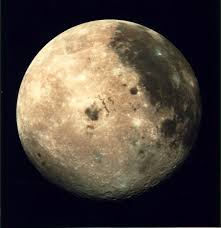
moon David McKa, a (rocket?) scientist, is arguing that the Moon can be used as the best time capsule and a digital store hose for human history. Essentially it would be modern day Library of Alexandria – but this won’t burn down.

Astronauts would setup a digital store house and could update it with future voyages to the Moon.

Storing things on the moon means no worries about oxygen eroding materials. Other environmental concerns that damage books and other materials on Earth wouldn’t be a problem in outer space. The Moon is also the only place that humans have yet to pillage, and should stay that a way for awhile to come.

For-Profit Charity

googleGoogle.org has been briefly mentioned here before, but now the New York Times provides more information on the organization. The NYTimes requires registration at their site, but you can use BugMeNot to get around that.

Google.org is for-profit and this provides some pros and cons. They will have more freedom with how to spend their money and can invest where it would like to. The example the NYTimes gives is that Google.org can invest in an electric car company to help the environment, as opposed to just planting more trees. They promise that any profits made from their investments will not go to their parent search company – all profits will be for Google.org.

“The company has said it plans to spend the money over the next 20 years, and the Google board recently approved a more rapid disbursement rate, $175 million over the next two years.

“Poor people can’t wait,” Dr. Brilliant said. “Dying people can’t wait for some 20-year plan. It’s not what we’re doing here.”

Ventures that grow out of Google.org could be seen to have a competitive edge because they do not need to show a financial profit. But financial returns from a project like the high-mileage car are not necessarily the aim.

“I think how you count profit is the issue here,” said Peter Hero, president of the Community Foundation of Silicon Valley, a charitable foundation with about $1 billion in assets. “Google.org is measuring return on cleaner air and quality of life. Their bottom line isn’t just financial. It’s environmental and social.””

Kids get to interview UN officals

A group of young journalists will get the opportunity to ask UN officials tough questions. The kids will also have the chance to express what it is like to be a child around the world to the delegates to policy makers. I hope that the UN listens.

“The 11 young journalists, from all 4 continents, will be making speeches at the Day of the General Discussion on the Rights of the Child and are expected to interview UN committee members and state representatives. Their reports and observations will be sent back to their countries and communities.

The journalists from Canada, Colombia, El Salvador, Ghana, India, Kenya, Norway, Senegal, Sweden and Zimbabwe, will join 22 youth delegates from other agencies at the UN’s Palais Wilson on September 15th.

“I want the Committee members to know just what Children’s Rights means for me, and millions of young persons like me, and I want to take back everything I learn and accurately inform and educate everyone in my country” said 12-year-old Sibonile, from Zimbabwe.”

Google balancing out?

googleGoogle is not perfect, but sometimes they do things that make them look they are trying to be wonderful to all people. Their motto is “don’t be evil.” Even though they are self-censoring in China, unlike Wikipedia (something that all ThingsAreGood readers already know), Google has released banned books.

Now you can read books that have been censored somewhere, as long as they are free of private censorship and are in the public domain.

To Kill a Mockingbird. Of Mice and Men. The Great Gatsby. 1984. It’s hard to imagine a world without these extraordinary literary classics, but every year there are hundreds of attempts to remove great books from libraries and schools”

(Via /.)

Wikipedia says no to censoring

wikipedia logoWikipedia, that great resource for all sorts of information, is refusing to censor itself to gain an audience in China. The site was censored by China in October of last year because it has bad things to say about the country according to the Chinese leadership.

The founder of Wikipedia has “challenged other internet companies, including Google, to justify their claim that they could do more good than harm by co-operating with Beijing.”

“We’re really unclear why we would be [banned],’ Wales told The Observer. ‘We have internal rules about neutrality and deleting personal attacks and things like this. We’re far from being a haven for dissidents or a protest site. So our view is that the block is in error and should be removed, but we shall see.'”