
Robo-Therapy for Stroke Sufferers

Robot hand thingWe know that a air-powered jacket can help people recover after suffering some paralysis, and now there is another robotic assistive device but for people who have had strokes.

Stroke patients with impaired hand use reported improved ability to grasp and release objects after therapy sessions using the Hand-Wrist Assisting Robotic Device (HOWARD). Each patient had at least moderate residual weakness and reduced function of the right hand, although the affected hands were neither totally paralyzed nor unable to feel. Seven women and six men who had suffered a stroke at least three months prior participated in the pilot study using this robotic device.

Robo-Jacket can Help Heal

Robo jacket (pic from craphound.com)A robotic jacket has been designed to help patients suffering from paralysis heal. By using compressed air the jacket can help strengthen the upper body as the patient recovers. This thing looks neat and I like to think that one day this technology can help with my knee pain.

Sensors at the elbow and wrist allow a healthy arm to control the eight artificial muscles, which are powered by compressed air, on the paralyzed side.

Beer Money for Babies!

May sound a bit strange, but the Labatt family has recently donated the largest philanthropic gift ever made for children’s cardiac medicine and research in North America! Arthur Labatt and his wife Sonia (owners of the Labatt Brewery in Canada) have donated $30 million dollars to Toronto’s Hospital for Sick Children, known for it’s acceptional cardiac department. The plan is to build the Labatt Family Heart Centre as well as provide additional funding to the Labatt Brain Tumour Research Centre, originally created and funded by the beer family in 1997. Having been treated at the hospital himself Arthur Labatt wants to ensure “that we don’t lose the [medical] talent we’ve got here.”

Toronto’s Hospital for Sick Children is one of the largest and best centers for childrens medicine in the World. Through their research last year they have been able to reverse type 1 diabetes in mice! Human trials begin this year, and with donations such as this, more important funding can go toward research in their 8 other departments!

Narcolepsy Insomnia Link

Can’t sleep? Take heart in a recent study of insomnia: researchers at Actelion Pharmaceuticals found that blocking brain receptors to the blood peptide orexin promoted sleep in rats, dogs and humans, according to a paper in the online issue of Nature Medicine.

In an ironic link, orexin is absent in the brains of people who have narcolepsy, the disorder that causes some people to fall asleep.

Although the company doing the research is a pharmaceutical company (which normally raises red flags as to the reliability of the results), more studies may be done to analyze the quality of sleep that the subjects experienced.

Sleeping on the Job

Metronap.jpgWe drink cup after cup of coffee or tea, take pills, and push ourselves to be “productive”.  But a practice that most companies frown upon, at least in North America, is the afternoon nap.  A municipal office in Bangkok is allowing employees the right to rest.
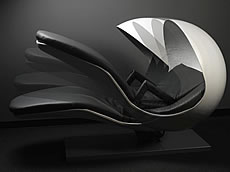
Of 200 employees at the municipal office, there are about 20 regular nappers who have reported feeling “fresher and brighter” after a midday snooze, says Surakiet Limcharoen, the top official who started the program.

In the meantime, what can employees do, who aren’t encouraged to nap?  Perhaps try healthy ways to wake up, or check for napping places in your city.