
A Little Exercise Goes a Long Way

run

At the start of the year people tend to make resolutions that they don’t hold – like regularly going to the gym. The good news is that you can break your resolutions and be OK, as long as you do something. Instead of trying to go to the gym and workout just go for a walk. Don’t stress out by setting unattainable goals; stay relaxed and stroll your way to health.

“Weekend warriors” — adults who perform the recommended amount of 150 minutes of moderate or 75 minutes of vigorous activity in one or two sessions per week — were found to have a risk of death from all causes about 30 per cent lower than inactive adults.

Researchers in England set out to investigate the risk of death from all causes, cardiovascular disease (CVD) and cancer was associated with physical activity patterns.

“I think it’s important to reassure people that if they are a weekend warrior, if they are only exercising once or twice per week, and it’s of moderate or vigorous intensity, then that’s good enough,” study author Gary O’Donovan, of Loughborough University, England, said in an interview.
Read more.

Trees are Great for Cities

Cleaning the air and keeping areas cool are what trees do best. A new study has looked into how best to use trees from a purely utilitarian standpoint. Essentially they drilled down to what trees do best and where they can thrive. The researchers cataloged the best places to plant trees based on factors like removing particulate matter from the air and where they can have the greatest impact on local temperatures. As a result their research outlines the most efficient use of money when deciding where to plant more trees.

As always, the best time to plant a tree is today.

There is one catch, though: The tree-planting campaign has to be well-targeted. And that gets a bit complex.

Trees only improve air quality in their immediate vicinity, about 100 feet or so. That means cities need to figure out which neighborhoods benefit most from new trees (typically the densest areas, but also areas around hospitals and schools). They also have to plant species that are most effective at trapping pollution (typically those with large leaves).

Officials also need to account for things like wind patterns and tree spacing and figure out whether they’ll be able to maintain their trees. Plus, if water is scarce, they’ll want to consider drought-tolerant varieties. And they may want to steer clear of trees that increase pollen and allergies.

Read more.

Bike Lanes Save Lives of Non-Cyclists

bike
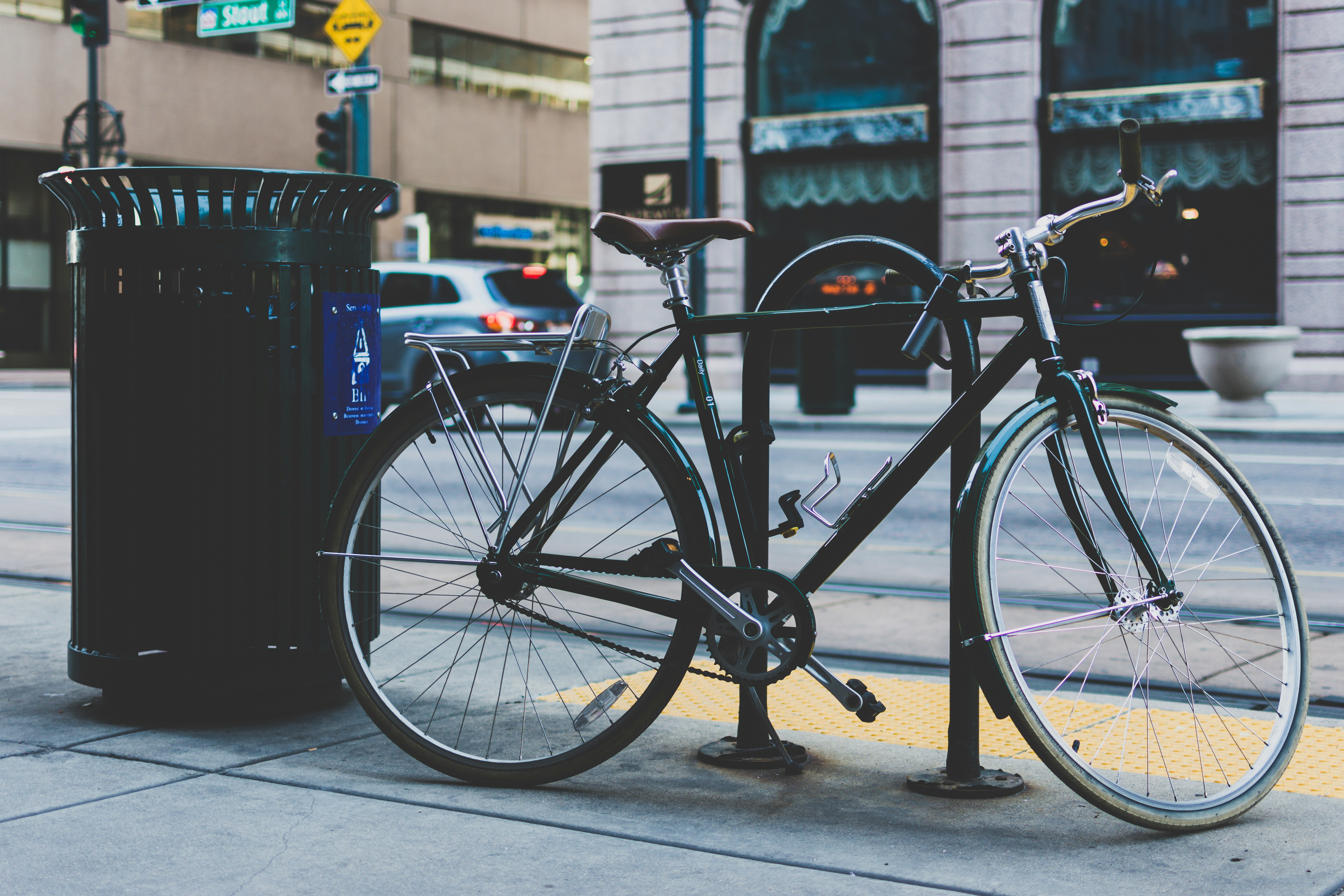
Cities can improve the health and well being of everyone by simply adding bike lanes. That’s right, drivers not only benefit from faster traffic flow they also benefit from increased health when cities install bike lanes. As Bloomberg reports, cities around the world are catching on and adding bike lanes to benefit all citizens.

There’s math to show how cost-effective the strategy could be for public health. When New York spent about $8 million in 2015 on bike lane expansion, the cost per additional “quality-adjusted life year,” or QALY, was about $1,300, according to the Mailman paper.
A QALY, pronounced “qually,” is a standard measure of cost-benefit analysis. It takes into account the number of people who benefit from an intervention, how many years of extra life they can expect to get, and how healthy they will be during the extra years.
As it turns out, when you apply this to bike lanes, it makes them more economical per added QALY than, say, kidney dialysis, which costs over $100,000 per QALY—although not quite as cost-effective as standard vaccines, which cost in the low hundreds of dollars per QALY, Mohit said.

Read more.

Men Shouldn’t Worry About Being Breadwinners

Gender stereotypes and expectations aren’t good for anybody, and there’s more and more evidence that men who worry about having to be the primary income earners hurts their health. The old way of thinking that a man had to earn more than his partner in a heterosexual relationship no longer makes sense. Thanks to the efforts of countless individuals there are fewer obstacles for women to make as much, if not more, than their male counterparts.

She attributes that to gender performances that cloud our judgment. Men are taught to see breadwinning as an obligation; women to see it more as an opportunity. Women are less likely to dwell on what other people will think of them if they aren’t the primary source of income, while men feel the need to take on higher-paying positions, even when the role might just be an anxiety-inducing, taxing, stressful experience.

Of course, generalizations like that reinforce the gender binary at the root of this, but in service of understanding the flaws in that conceptualization.

“I would encourage men to feel more free to ask, ‘Do I really need to do this? Do we need this extra money?’” she said. “I think women are more likely to ask themselves that.”

Read more.
Thanks to Delaney!

Craft Beer is Advancing Science

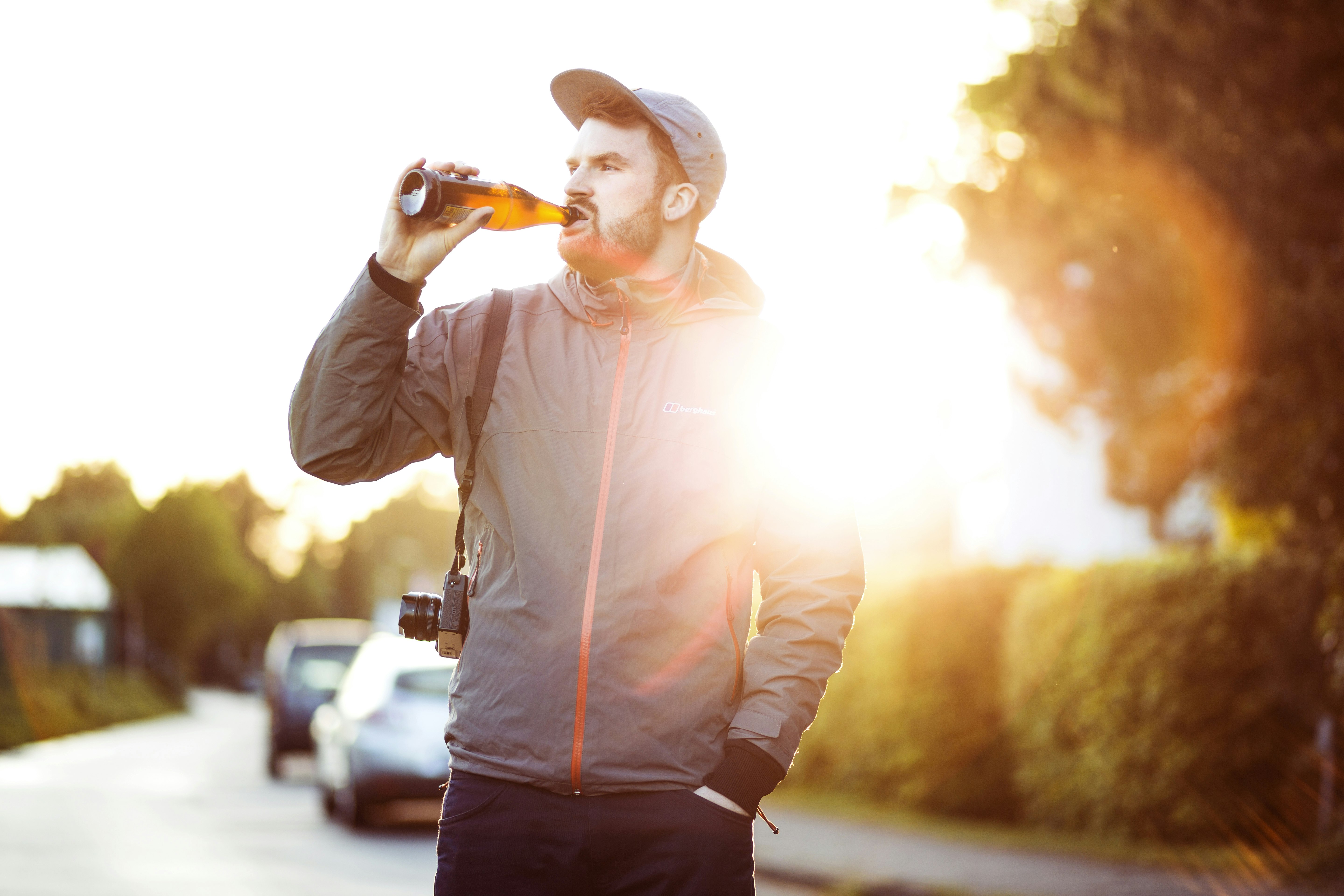
We all know that craft beers are delicious thanks to all their fun flavours and now we also know that by drinking craft beer we are helping the world of science. The search for hop plants, which are integral to craft beer, has pushed science to go further into examining the plant and it’s neighbours – that means the world of botany is expanding. The drive for more varieties of hops has even led to using old ideas in new ways around what medicinal practices hops can be used for!

Flavor is driving the hunt. But, as it turns out, Matthews himself is not only, or even mostly, interested in flavor. The scientific byways, and possible medical uses, are more intriguing to him: the hipster I.P.A. quaffers are, in effect, advancing the frontiers of pure science, enabling the sequencing of the hop genome, and funding ethnobotanical excursions. “I was just in Tbilisi, at the Georgian botanical garden,” Matthews said. “People in Georgia are still into agroforestry—they pick wild strawberries and things in the forest. It turns out rural Georgians have for a long time used wild hops to cure their breads. Hops makes a powerful broad-spectrum antibiotic. It stops bacteria from souring the bread.”

The Georgians have also used hops as a folk medicine for reproductive health, to treat uterine pain, for example. This makes sense to Matthews since hops contain the strongest known plant-derived estrogen. “We are seeking to engineer it,” he said. “We think it can be used for hormone-replacement therapy—for example, in postmenopausal women.”

Read more.