Royal Society Issues IP Charter

Slashdot has a great short post about a good proposition for dealing with intellectual property from the Royal Society for the Encouragement of Arts, Manufacture and Commerce in Britain.

Essentially they feel that intellectually property is helping the few, opposed to helping the public good, and that this needs to be changed – in fast. Power to them!

Thanks, Ben Powers!
Resilin to the Rescue

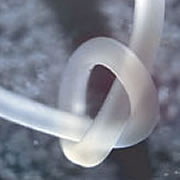
good rubberInsects have helped us all once again by providing scientists with a novel way to produce rubber. By analyzing the DNA of fruit-flies they have been able to figure out how to simulate the material (resilin) their wings are made of. Previous attempts at this failed because they looked at different parts of the DNA.

Since a fly’s wings have to bend a lot resilin can be used for bionic parts and other things that require a lot of bending. It is also more resilient than normal rubber.

Solar Power Ready to Roll Out

Solar Panels have met resistance because they are somewhat hard to install, some people have challenged that notion. A new form of photovoltaic cells being tested now (and expected to be in mass production in two years) are based on a fancy solar ink.

This new form of solar power generation will allow for cheaper, and more widely used, solar panels. The experimental cells can even be easily incorporated into clothing.

Thanks, Colin!

Eco Bulb Turbine

Although hydroelectric stations have provisions for stopping fish passage or attractive fish around turbines a small portion go through the hydroelectric turbine. Typically the turbines wins. A new turbine type called an Eco-Bulb turbine handles this problem nicely while improving effeciency. By combining the turbine and generator into one housing (the bulb) many traditional problems with hydroelectric power is mitigated. The new turbines are more effecient, can be used at sites that couldnt be developed before such as old dams that have small flows of water and are fish friendly. Currently the only site in North America with this technology is at Trenton, Ontario at an old dam site that had been adandoned.

Bio Lube

Probably not what you were hoping for, but the hydroelectric industry has recently been experimenting with lubrication using biologically degradable oils from natural sources. When a hydroelectric turbine is in operation it must be well lubricated or else friction and instability are created which shake and therefore damage both the turbine and casing. However, a small portion of the oil inevitably leakes into the water. Although less than the waste oil from a motor vehicle the hydroelectric industry is experimenting with biodegrabalbe oils with regulations the threat of fines or enforcement. A hydroelectric industry spokesman commented that bio lube is simply a choice since they work as well as conventional lubes and the industry does not have to worry about spills. With future advancements bio lube could be converted to higher temperature operations such as oil inside a car engine.

Scroll To Top