Why North American Cities are Different Than European

We often look at urban design on Things Are Good so it’s worth thinking about how we got here. The decisions made centuries ago impact how our cities operate and how we as people integrate ourselves into the built environment. This video explores how and why cities in Europe look different than North American cities, which means they have different issues that need to be addressed in the 21st century. There is much to learn from how different places deal with problems and thinking about how we can apply their solutions elsewhere.

Why do Americans love suburbs and Europeans love city centers? How is it possible that Paris is denser than New York City? Why are the fanciest hotel rooms in Europe on the first floor? Welcome to the weird world of urban geography.

You Can Now Eat Climate Data

Ice cream
Ice cream is delicious and now you can eat a brand new flavour of it made of climate data. Well, it’s more like existing flavours put together to symbolize data about our climate and how it’s changing. Jonathon Keats is the brain behind the project and he’s mixing the ice cream together to raise awareness and to see if we can better understand the anthropocene if we use multiple senses.

The dessert will be served in Berlin during the STATE Festival for Open Science, Art & Society. If you’re in the area and looking for something sweet let us know if it tastes any good!

In his ice-cream model of the climate, Keats started with a detailed diagram of feedback loops made by University of Toronto computer scientist Steve Easterbrook. The model shows how each part of the system interrelates; as rising temperatures make ice melt, for example, the ground reflects less sunlight, which leads to even more warming.

In the sorbet, each part of the system is represented by a different ingredient that activates a different receptor in the gut. Sugar, which activates a receptor called TRPM-5, represents greenhouse gases; citric acids represent aerosols. Cinnamon is radiative balance, the relationship between the amount of energy reaching and leaving the Earth. In total, there are 12 ingredients

Read more.

Don’t be Trendy, Buy Clothes for Time and Style

Fast fashion has grown in popularity this century thanks to fast computer aided design and a global trade system that favours sweatshops over adequately paid labour. This consumer driven world of fashion is really bad for workers and bad for the environment as it consumes more resources than clothes built to last. When it comes to buying clothing you should put quality above cost and buy for the longterm.

When deciding what fashion trend to follow the answer is none of them. Instead, spend some time figuring out your style and once you find it invest in clothing that will last you a lifetime!

“You have to spend a little bit more,” Zakarian said. “If you really spend correctly and really buy good stuff that lasts and doesn’t go out of style, you’ll have a great wardrobe for the rest of your life. You can pass it down to your kids if you take care of it.”

Another tip: versatility.

“If there’s not three or four uses for something, I don’t buy it,” Zakarian said.

Read more.

Good Storytellers Tend to be Happier


Everybody likes a good story, but not everybody can tell a story well. If you are one of those people who are a good storyteller you might just be happier than other people. It turns out that good storytellers are happier and that male storytellers who can spin a good yarn are more attractive to females. Practice makes perfect so try telling stories to everybody!

It feels wonderful to tell someone your stories when you are first becoming intimate. Think of the people you have been in love with in your life. I bet that at least once early in your relationship you stayed up all night talking, telling stories that were revealing and illuminating. That deep communication is sexy.

Stories are profoundly intimate, says Kari Winter, a historian and literary critic at the University at Buffalo. “It is empowering to the teller because they get recognition from the listener. And it is empowering to the listener because it helps them understand the teller.”

Read more.

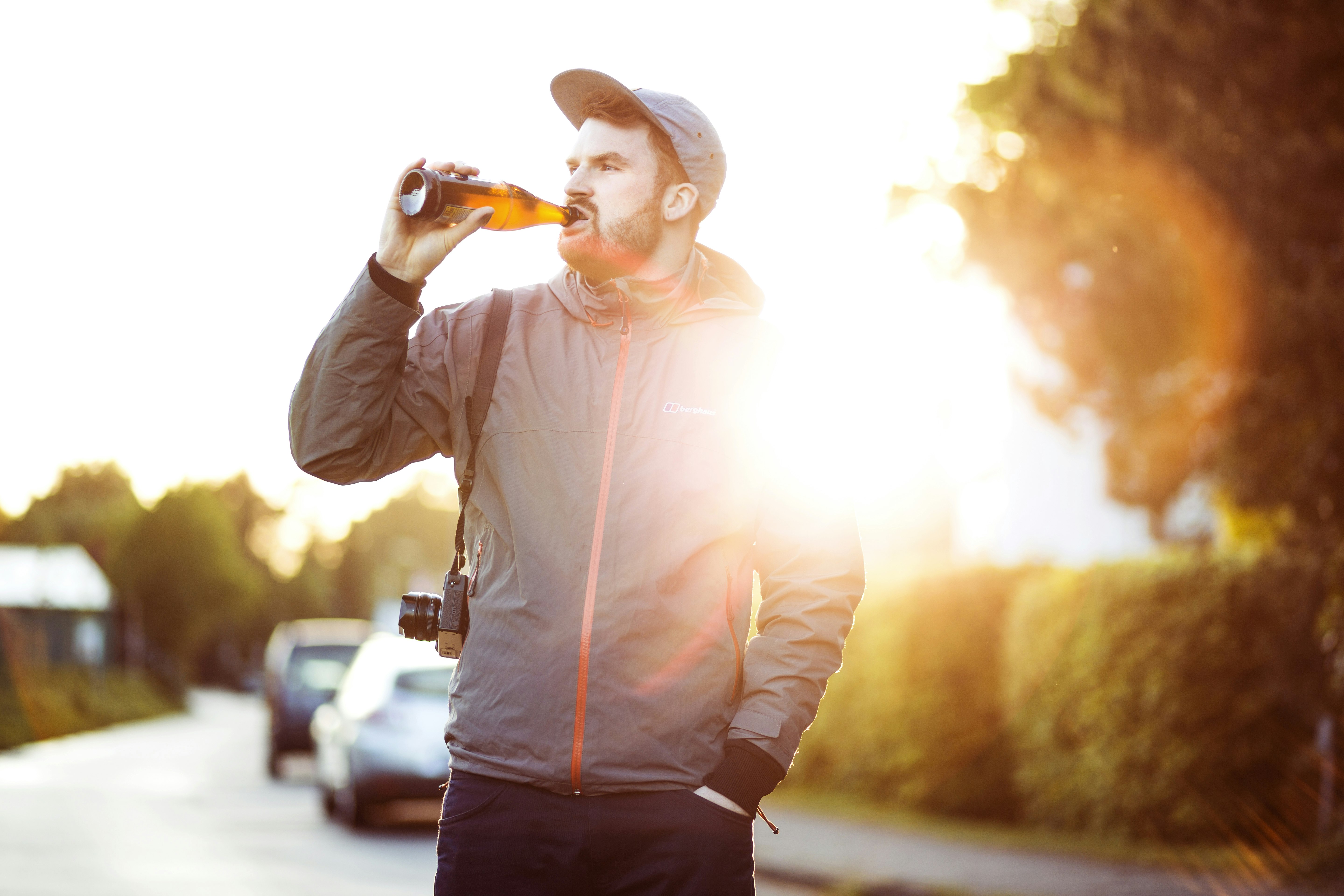
Craft Beer is Advancing Science

We all know that craft beers are delicious thanks to all their fun flavours and now we also know that by drinking craft beer we are helping the world of science. The search for hop plants, which are integral to craft beer, has pushed science to go further into examining the plant and it’s neighbours – that means the world of botany is expanding. The drive for more varieties of hops has even led to using old ideas in new ways around what medicinal practices hops can be used for!

Flavor is driving the hunt. But, as it turns out, Matthews himself is not only, or even mostly, interested in flavor. The scientific byways, and possible medical uses, are more intriguing to him: the hipster I.P.A. quaffers are, in effect, advancing the frontiers of pure science, enabling the sequencing of the hop genome, and funding ethnobotanical excursions. “I was just in Tbilisi, at the Georgian botanical garden,” Matthews said. “People in Georgia are still into agroforestry—they pick wild strawberries and things in the forest. It turns out rural Georgians have for a long time used wild hops to cure their breads. Hops makes a powerful broad-spectrum antibiotic. It stops bacteria from souring the bread.”

The Georgians have also used hops as a folk medicine for reproductive health, to treat uterine pain, for example. This makes sense to Matthews since hops contain the strongest known plant-derived estrogen. “We are seeking to engineer it,” he said. “We think it can be used for hormone-replacement therapy—for example, in postmenopausal women.”

Read more.

Scroll To Top